Backflow Testing: What It Verifies and Why It Matters
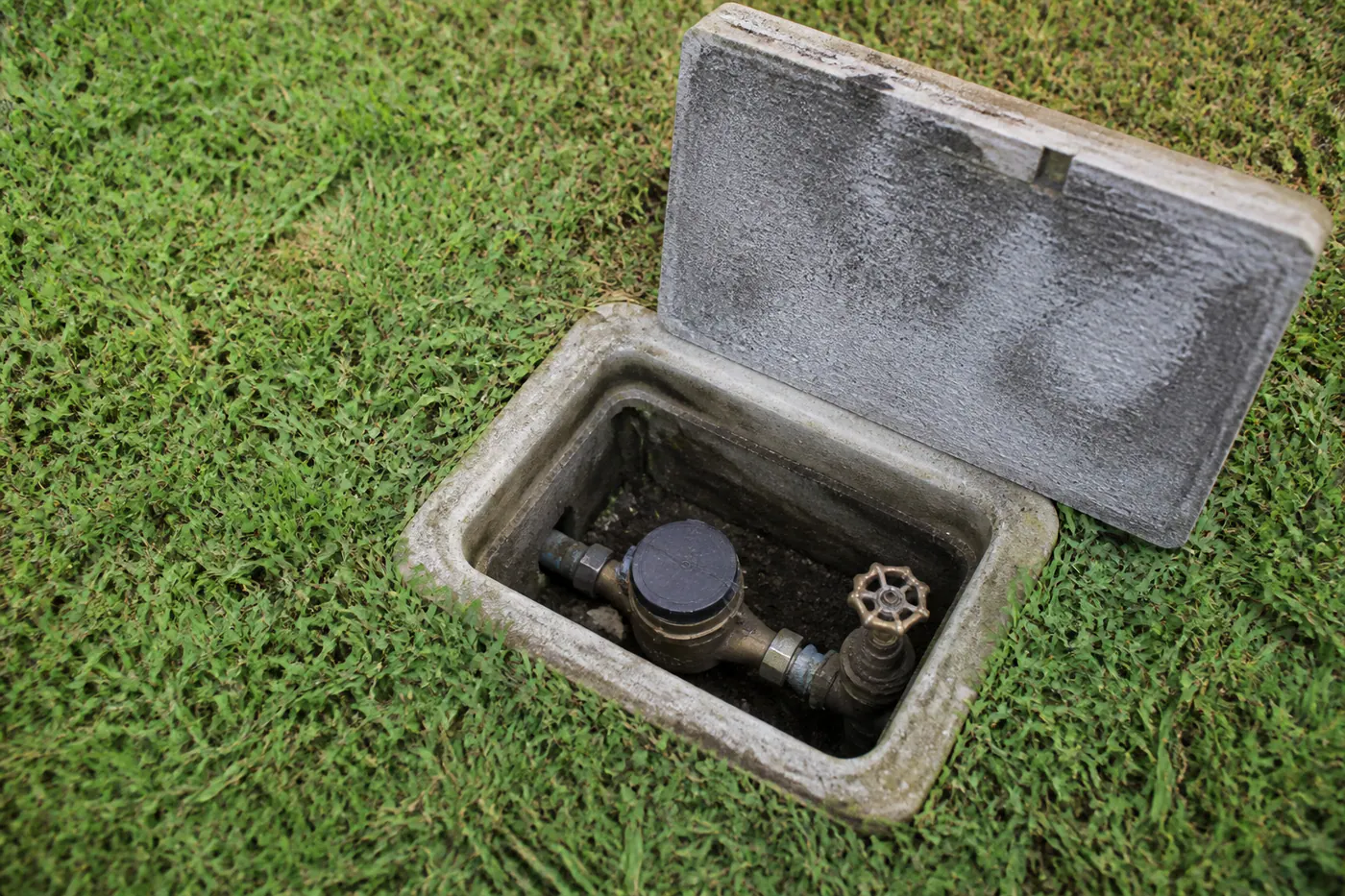
Backflow is unwanted reversal of water from a property toward the public supply or another potable branch. It can occur through backsiphonage when supply pressure falls or backpressure when downstream pressure rises. Irrigation chemicals, boiler water, commercial processes, and other non-potable sources create different hazards. A listed backflow assembly provides mechanical protection, but its internal checks and relief valve can foul or wear without obvious external leakage.
Testing is a measured procedure
A certified tester identifies the assembly, verifies accessible condition and orientation, and connects a calibrated differential-pressure gauge to test cocks in a prescribed sequence. Depending on assembly type, the test checks whether check valves close tightly enough, whether a relief valve opens at the required differential, and whether shutoffs support a valid test. Results are recorded with device make, model, serial number, location, readings, repairs, and tester credentials.
A failed test is specific—not a verdict on the whole system
Debris may prevent a check from seating; rubber parts and springs age; corrosion or freeze damage can impair the body. The tester should report which component failed and the measured result. Repair may involve cleaning and an approved kit, followed by retesting. A cracked, obsolete, severely corroded, incorrectly sized, or inaccessible assembly may need replacement. Water service can be interrupted during testing, so medical, production, tenant, and irrigation needs should be planned.
- •Keep the utility notice, test report, repair invoice, and retest result.
- •Do not bury, landscape over, paint shutoffs, or block test-cock access.
- •Protect exposed assemblies from impact and follow approved freeze procedures.
- •Report changes in irrigation, fire, boiler, pool-fill, or commercial equipment.
Ownership and reporting vary
In The Villages, Lady Lake, Leesburg, or elsewhere, the serving utility—not the mailing city alone—may administer the program. The notice should identify the assembly and deadline, but owners should verify who submits results and who pays for repairs. Testing does not certify water quality throughout a building, and passing on one date does not guarantee that an assembly cannot later foul. It demonstrates performance under the required procedure at that time.
Frequently asked questions
How often is backflow testing required?
The water supplier or authority sets frequency based on hazard and assembly type. Annual testing is common, but property owners should follow the notice and local program.
Can any plumber certify a backflow test?
Programs commonly require a currently certified tester using calibrated equipment and prescribed reporting. Confirm local eligibility before scheduling.
Why would a backflow assembly fail?
Debris, worn seals, damaged springs, corrosion, freezing, incorrect installation, or upstream pressure conditions can prevent checks or relief valves from meeting test criteria.
Related service: Plumbing.
Need a plumber in Central Florida?
Prime Plumbing Inc is family-owned, state-licensed, and available 24/7 for emergencies across Lake County and nearby communities.