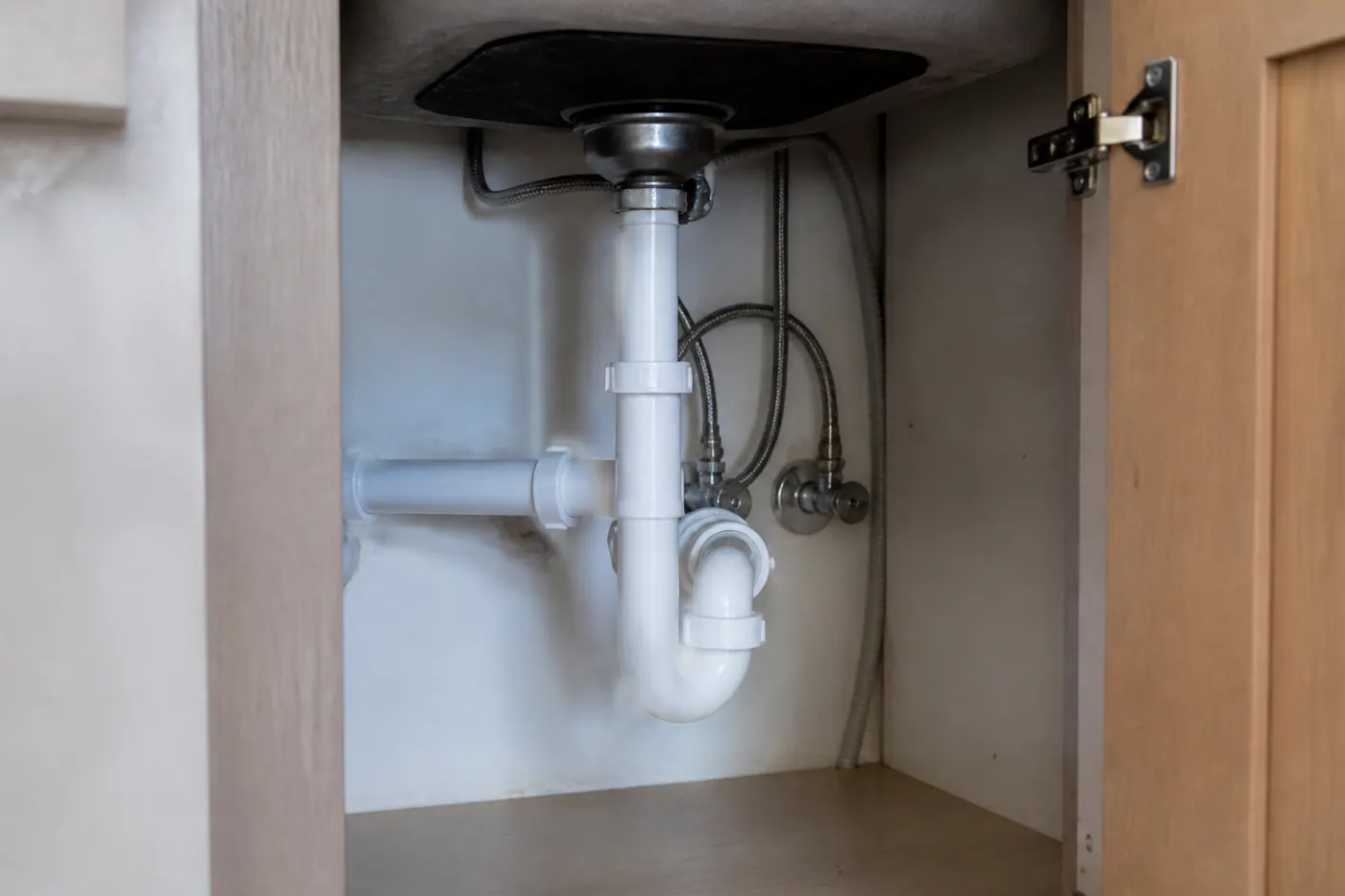
What Not to Put in a Garbage Disposal (and Why It Matters)
A garbage disposal is a convenience, not a trash can. Here are the foods that quietly clog your kitchen drain and the habits that keep it running for years.
Resources
Straightforward guides from our licensed team — so you can spot problems early, protect your home, and know when to call a pro. Written for Lake County, The Villages, and nearby cities we serve every week.

A garbage disposal is a convenience, not a trash can. Here are the foods that quietly clog your kitchen drain and the habits that keep it running for years.

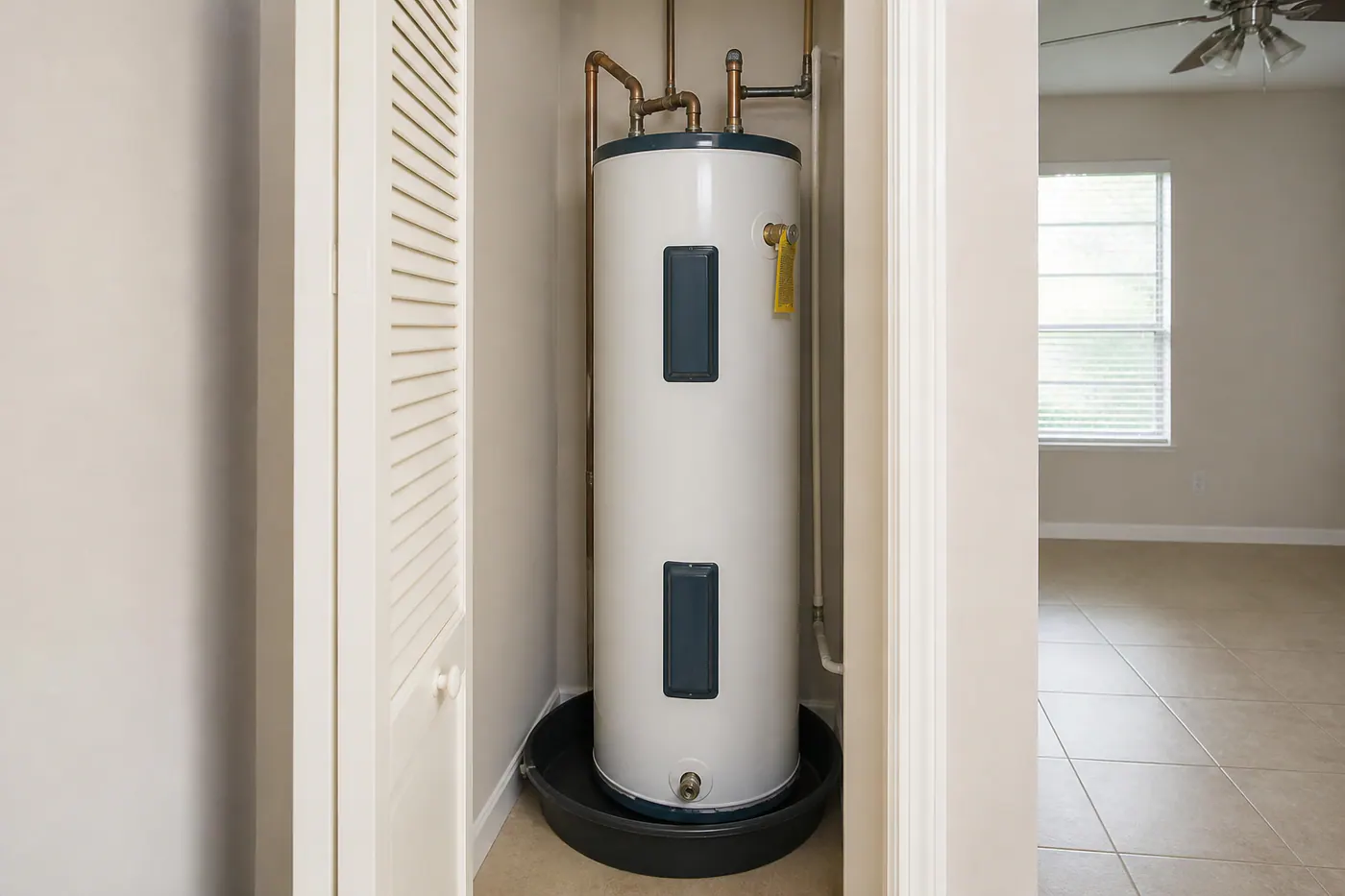
One small dial affects your energy bill, your family's safety, and how long your tank lasts. Here is how to pick the right setting and adjust it safely.

That sulfur smell is one of the most common complaints from Central Florida well owners. A simple hot-versus-cold test tells you where it is coming from.

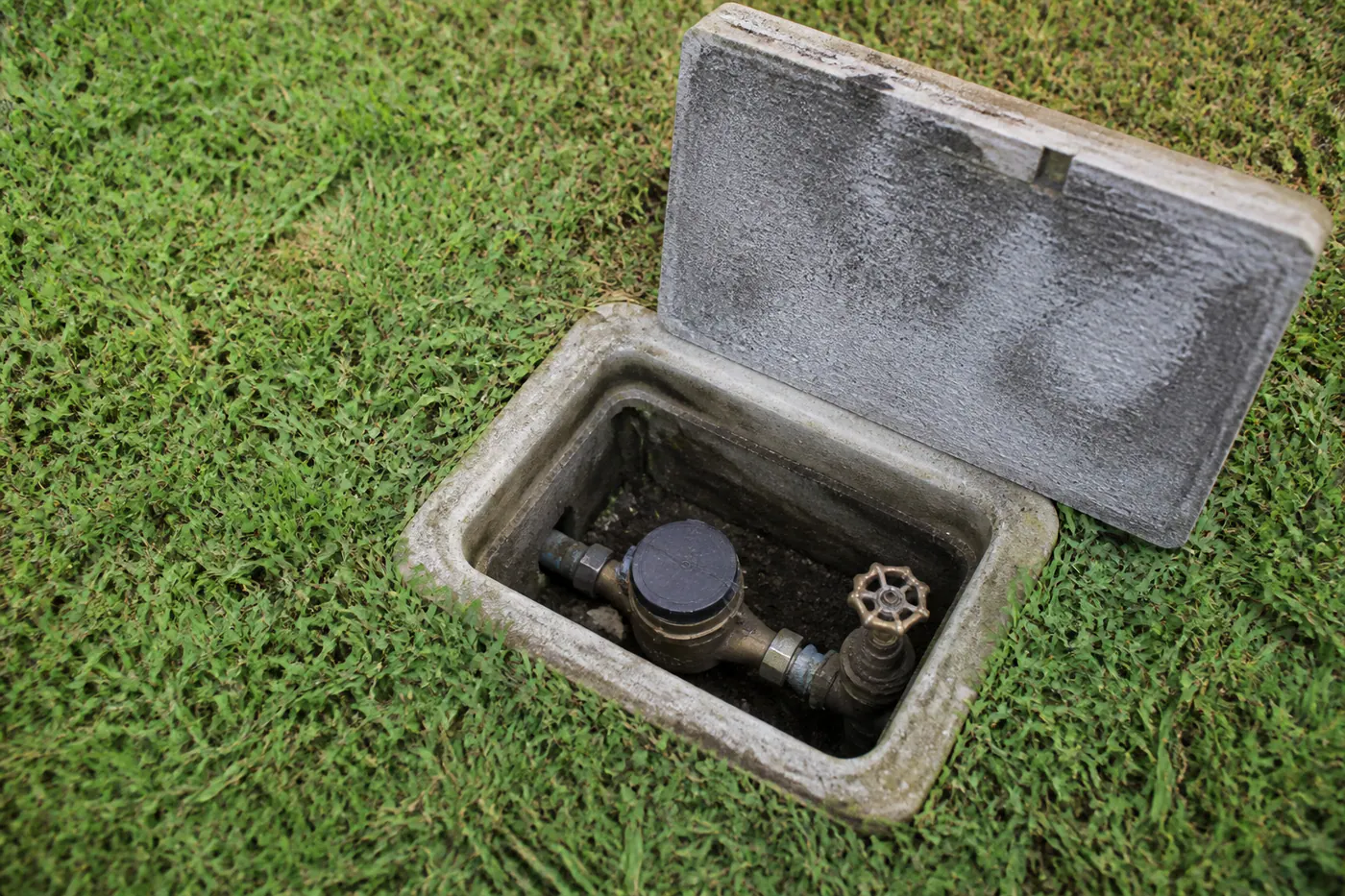
When a water bill jumps for no obvious reason, the answer is usually a leak you cannot see. Here is how to track it down with nothing more than your water meter.

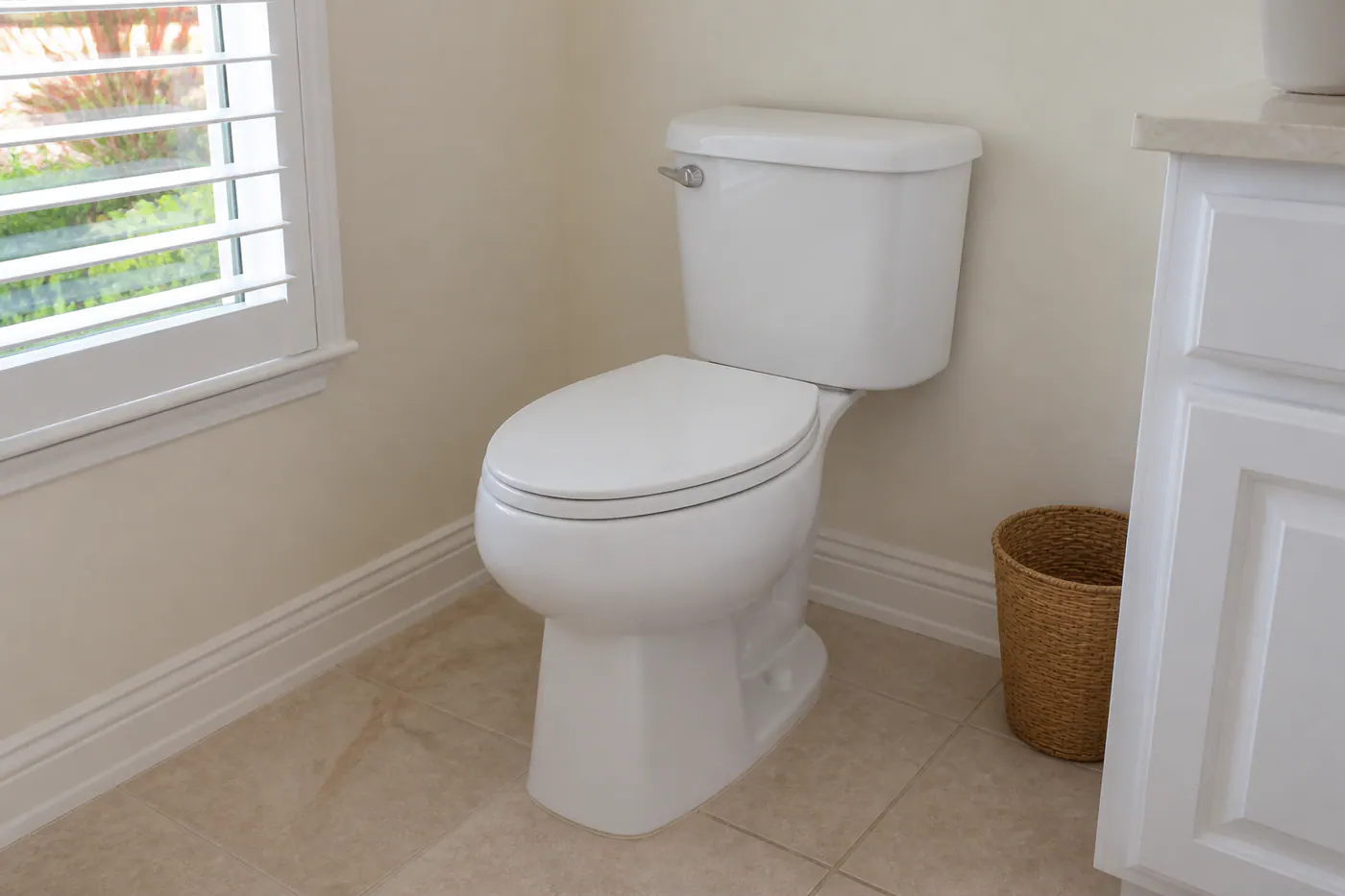
One clog is bad luck. A toilet that clogs every week is telling you something. Here is how to figure out what, and when plunging is no longer enough.

That sewer gas smell is unpleasant, but it is also a clue. Most causes are simple to fix once you know where to look, starting with the drains you never use.

Private well owners are responsible for their own water safety. Here is exactly what to test for, how often, and how to read the results.

Tankless heaters are rated by how much hot water they deliver at once, not by gallons stored. Here is how to size one for your home and why Florida has an advantage.

That loud bang in the wall when the washing machine stops is more than an annoyance. Water hammer stresses every joint in your plumbing, and it is usually fixable.

Standing in an inch of water at the end of a shower gets old fast. Most shower clogs come out in ten minutes with a cheap tool and no chemicals.

No hot water and a pilot that lights but will not stay on? The cause is usually one of a handful of parts, and most are straightforward to fix safely.

A dripping outdoor faucet wastes water all day and can damage your foundation. The fix is often a quarter turn of a wrench.

The home inspector checks the faucets. They usually do not look inside the sewer line. Here is what Florida buyers should check before closing.

When the faucets go dry on a well system, the cause is often electrical and sometimes a quick fix. Here is how to narrow it down safely.

The package says flushable. Your pipes disagree. Here is what really happens to wipes after they leave the bowl.

Both promise to tame hard water, but they work in completely different ways. Here is an honest comparison for Central Florida homes.

Rust-colored rings in the toilet and orange streaks on the shower wall are a classic Florida well water problem. Here is how to clean them and stop them from coming back.

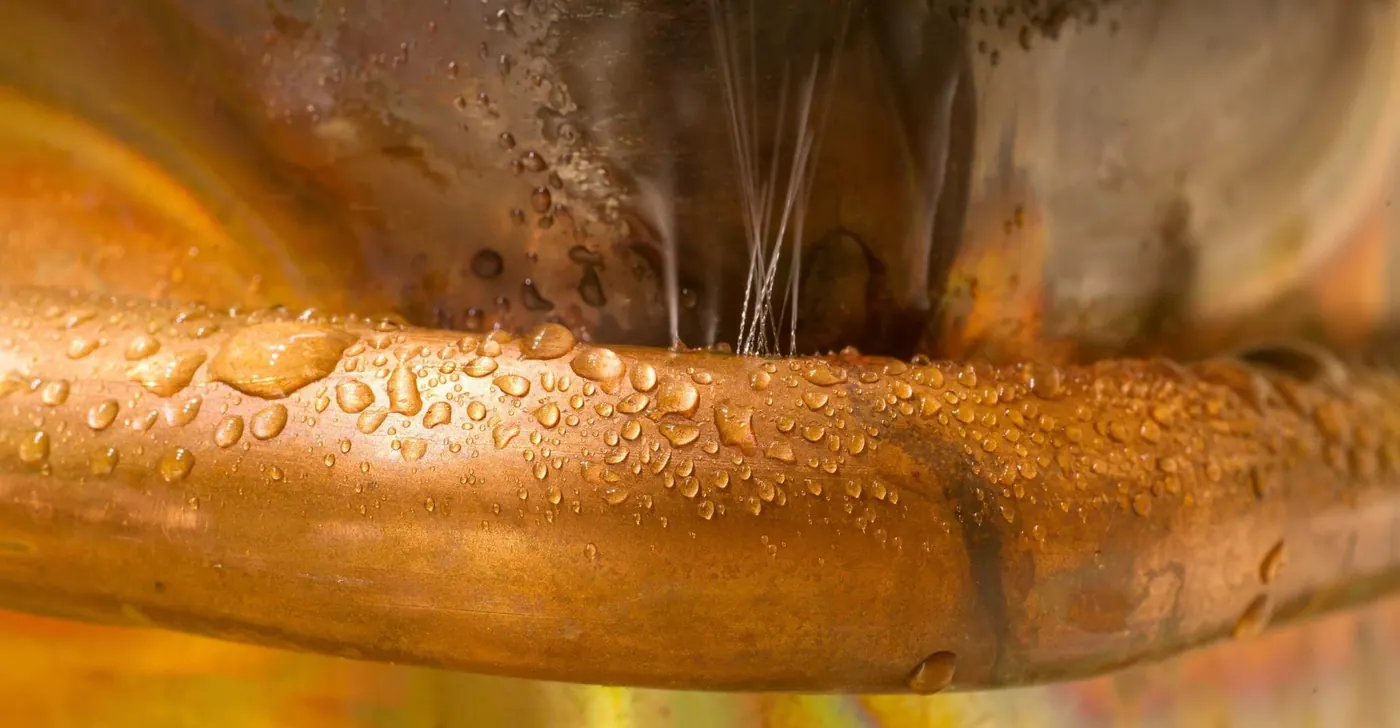
One tiny pinhole leak can be a fluke. Two or three in a year usually means your copper is wearing out from the inside. Here is how to tell the difference.

That brown ring on the ceiling is a mystery worth solving quickly. Here is how to tell whether it is the roof, a pipe, or the air conditioner.

A standby generator is only as reliable as the gas line feeding it. Here is what goes into sizing and installing it correctly before the next storm.

The familiar three-to-five-year rule is only a starting point. Tank size, occupancy, habits, and an actual solids check determine the safer interval.

Wet soil over a drain field is serious, but it does not automatically prove the field is ruined. Diagnosis begins upstream and works outward.

Lift stations usually provide warning before failure. Routine checks turn pump runtime, grease, float movement, and alarm history into actionable maintenance.

Trenchless methods can preserve a driveway or landscape, but pipe shape, grade, connections, and the actual defect decide whether they are suitable.

Roots do not normally pierce sound sewer pipe. They exploit joints and cracks, then collect waste until the line blocks again.

Polybutylene problems are not limited to visible pipe. A useful repipe plan maps concealed runs, valves, fixtures, access, testing, and wall restoration.

Attic heat does not explain every CPVC break. Age, expansion, hangers, solvent joints, and chemical exposure often combine at the failure point.

Both copper and PEX can deliver decades of service. The better system is the one matched to the water, building, route, and installation quality.

An anode rod is designed to corrode so the steel tank does not. Hard water can change how quickly it becomes coated, depleted, or difficult to remove.

Descaling restores heat-transfer surfaces; it cannot repair a failed sensor, restricted gas supply, poor venting, or an undersized unit.

An RO system has several filters with different jobs and service lives. Changing every cartridge on one arbitrary date wastes parts or misses declining performance.

A brine tank can look full while the softener has no usable salt. A hidden bridge leaves an empty space beneath a hardened crust.

A toilet does not need to roar continuously to waste water. A quiet tank leak can cycle for weeks before it appears on a utility bill.

One fixture points toward a branch problem. Several fixtures reacting together—especially at the lowest drain—suggest a restriction farther downstream.

Storm plumbing preparation is mostly about knowing shutoffs, protecting vulnerable equipment, storing safe water, and avoiding contaminated systems afterward.

Florida freezes are brief but damaging because vulnerable piping is often outdoors or uninsulated. Focus protection on exposure, wind, and loss of heat.

A pool heater is often the largest gas appliance on a property. Its line must be sized as part of the entire fuel system, not copied from a nearby grill connection.

A backflow preventer is not proven by appearance. Testing measures whether its internal checks and relief components hold the required performance.

A grease trap is a retention device, not a grease disposal system. Kitchen practices determine how quickly it fills and how well it protects downstream drains.

Good leak documentation is factual and time-stamped. Capture the source, spread, shutoff, mitigation, and repair while putting safety first.

Umatilla homes mix older piping, well systems, and lakefront properties. Here’s how to choose a local plumber who actually knows the town.

When water is on the floor in The Villages, you need a live dispatcher, not a voicemail. Here’s what to do and who to call.

Historic Mount Dora plumbing plus big summer rains is a recipe for slow drains. Here’s how we clear lines without wrecking old pipes.

The most useful plumbing skill is knowing how to stop the water. Here’s where Florida homes usually hide the main shutoff.

If your Eustis home is on a well and the water suddenly stops, the pump or pressure tank is usually the story. Here’s how we diagnose it.

A slab leak can stay invisible until the bill or the floor gives it away. Learn the signs and why jackhammers aren’t step one.

Tavares lakefront lots and older drain fields need more than a cheap pump-out. Here’s when to pump, when to inspect, and when to repair.

Leesburg’s mix of historic streets and newer subdivisions needs a plumber who can do both. Here’s what we handle in town.

If your showers are getting shorter or the water looks rusty, your water heater may be telling you something. Here’s how to know when it’s time to replace it.

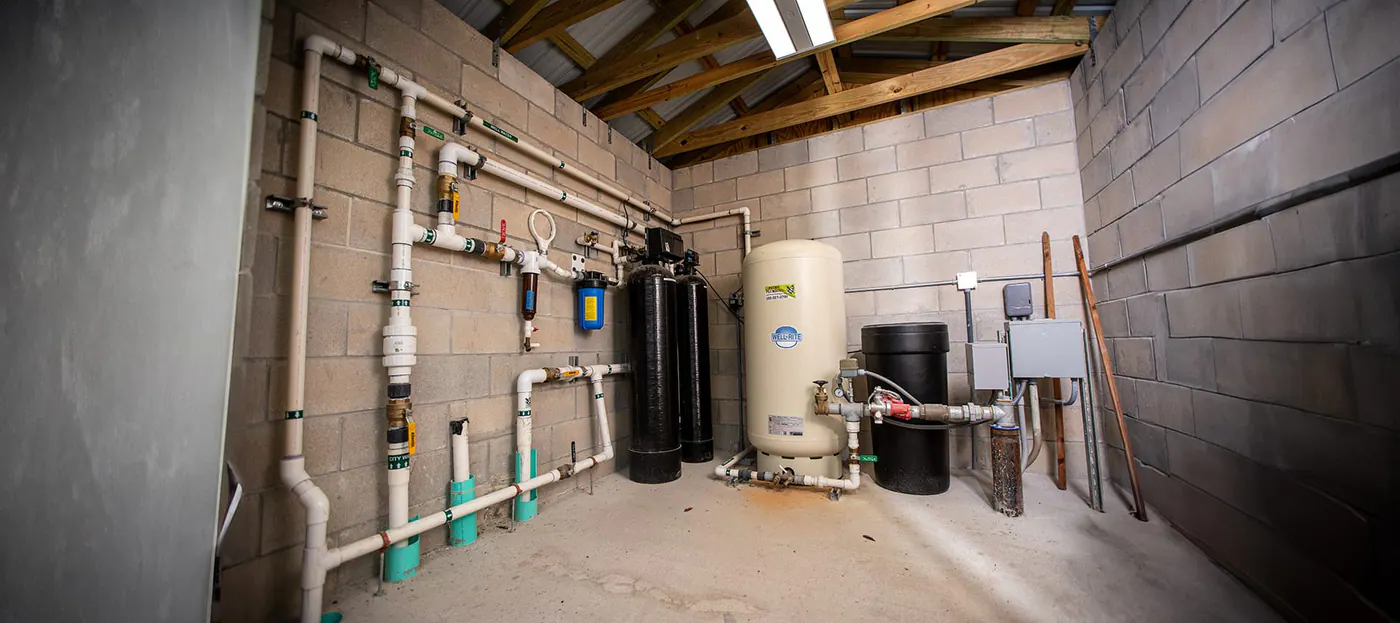
If your well pump kicks on every few seconds, don’t assume you need a new pump. The pressure tank is the usual suspect.

Clermont’s hills, new builds, and lakefront classics all need reliable hot water. Here’s how a proper replacement is sized and installed.

Country lots in Sorrento hide long supply runs and wells. When the bill spikes or the yard stays wet, we find the leak without guessing with a shovel.

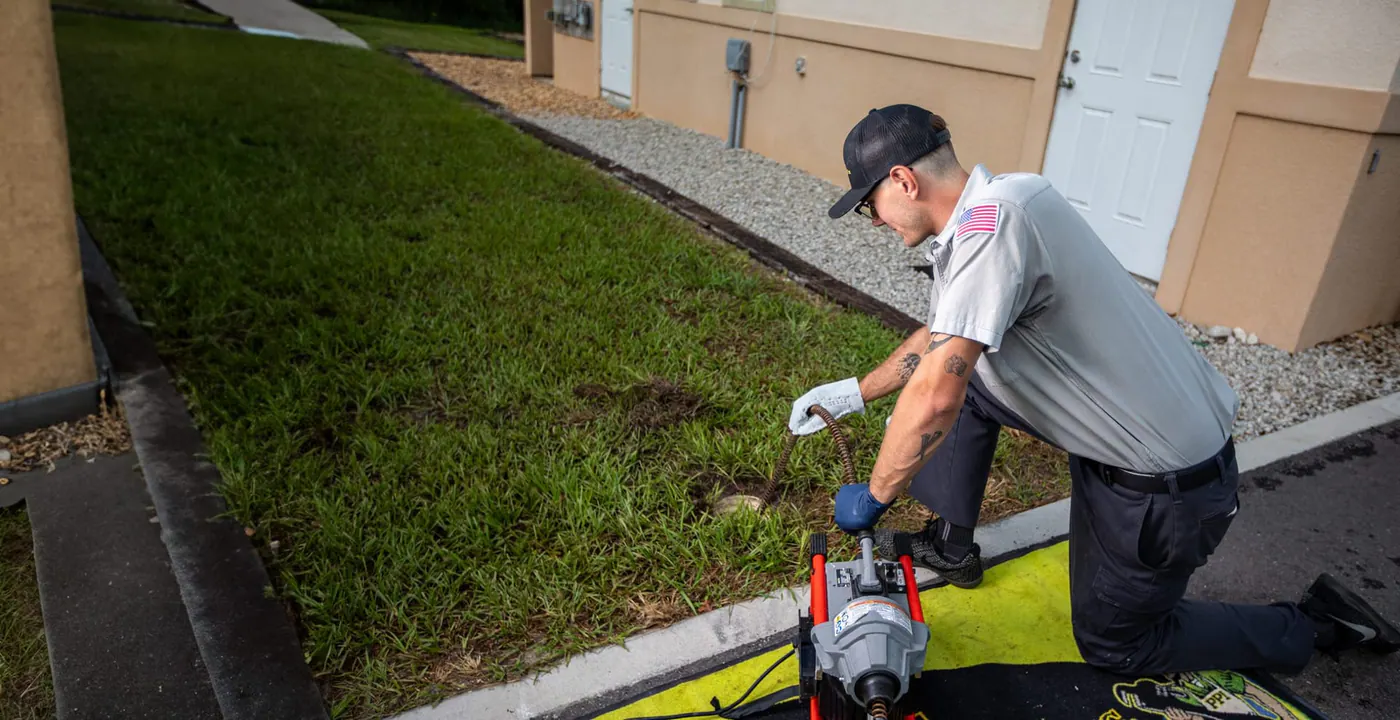
A cable can poke a hole through a clog. Jetting can clean the pipe wall. Here’s when each method is the right call.

A burst pipe doesn’t have to turn into a disaster. Follow these steps to stop the water, protect your floors, and get help fast.

Apopka is a quick run from our Lake County shop. Here’s how we handle burst pipes, clogged drains, and water heaters on the Orange County line.

Adding a gas range or tankless heater in Lake Mary isn’t a weekend DIY. Here’s how permitted gas piping is done safely.

A gas odor is not a “wait and see” situation. Follow this order of operations, then let licensed techs find the leak.

White spots on glassware and crusty faucets aren’t just cosmetic. Here’s what Florida’s hard water does to your home, and how filtration fixes it.

The cheapest quote isn’t a license. Here’s how to verify a Florida plumber and what questions actually matter.

Ocala’s barns and acreage don’t plumb like a subdivision. Wells, long runs, and septic systems need a crew that has done this before.

Sanford’s older neighborhoods hide clay and cast-iron laterals. A camera inspection tells you whether you need a clean or a repair.

A camera doesn’t repair the pipe, it stops you from guessing. Here’s what a sewer inspection actually shows.

Groveland is filling with new homes that want endless hot water. Tankless works, if the gas line, vent, and water treatment are done right.

We cross into Volusia County for DeLand jobs with the same master-plumber standard we use in Lake County.

Orlando city water and nearby wells don’t taste the same. A whole-home system is sized for your actual water, not a one-filter-fits-all pitch.

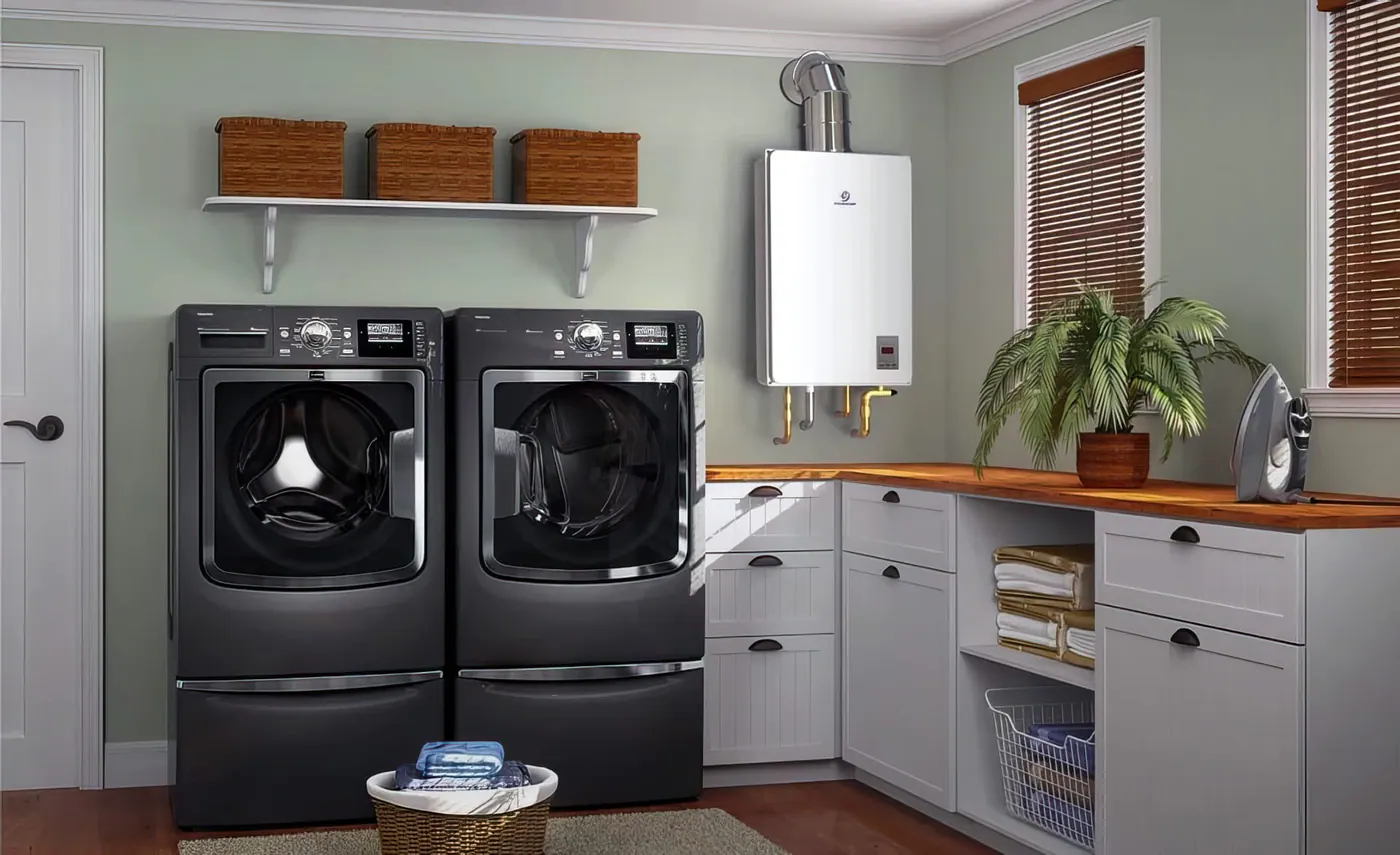
Endless hot water sounds great, but tankless isn’t automatically better for every house. Here’s an honest comparison for Florida homeowners.

That outdoor alarm isn’t optional. Here’s why it sounds, what you can safely check, and when to call.

Galvanized steel piping was built to last, until it wasn’t. Here’s how to tell if you need a section repair or a whole-home repipe.

Low pressure has a dozen causes. Here’s how to narrow it down before you buy the wrong part.

Heavy rains amplify small drain problems. Use this checklist to keep sinks, showers, and sewer lines clear when summer storms hit.