How to Test Well Water in Florida: A Homeowner's Guide
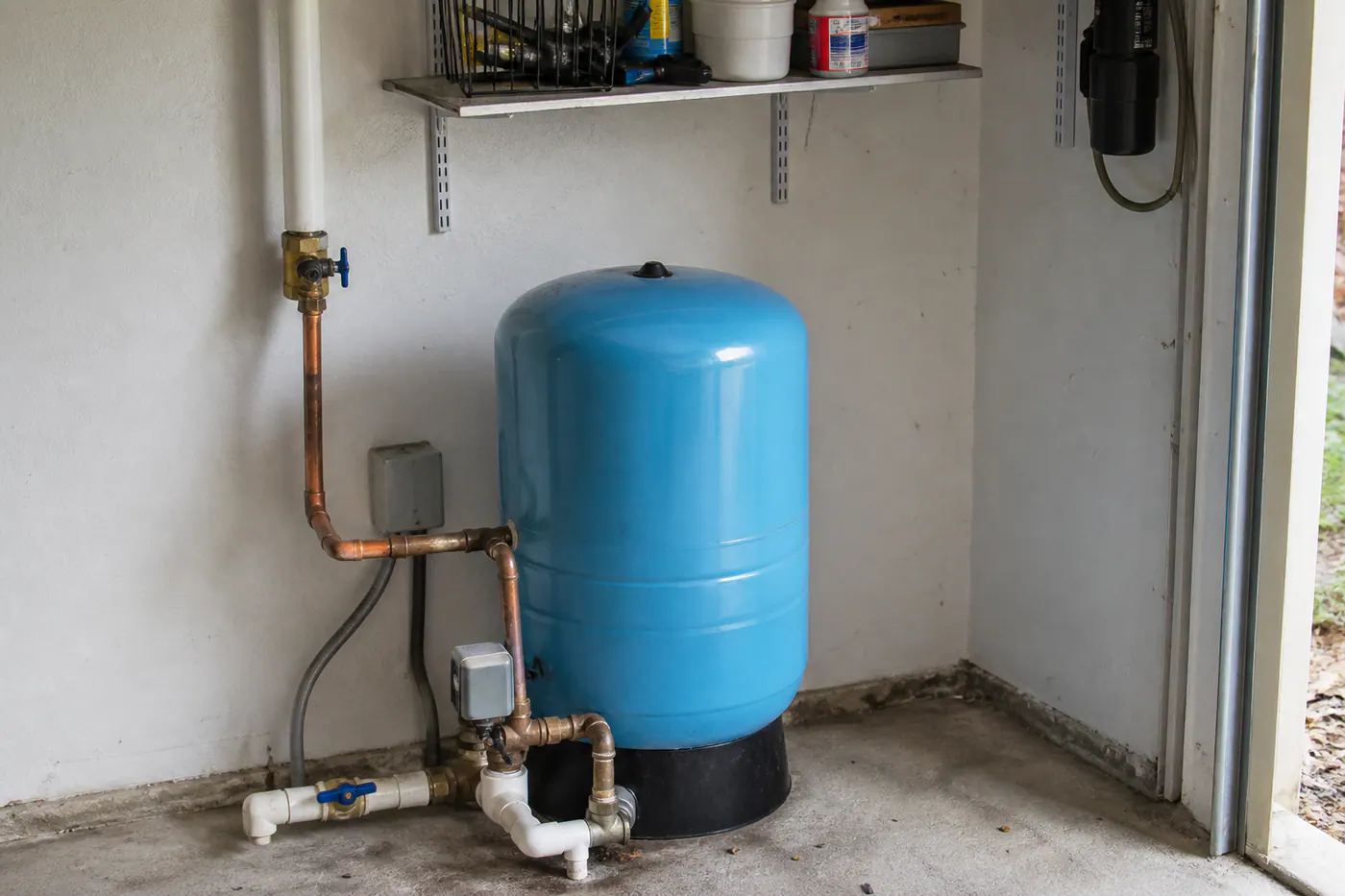
City water customers get regular testing done for them. On a private well, that job belongs to you. Water can look, smell, and taste perfectly fine while carrying bacteria or nitrate, so testing is the only way to know. Thousands of homes across rural Lake County, Marion County, and the edges of Ocala and Umatilla rely on wells, and a simple annual routine keeps that water trustworthy.
What to test for
- •Total coliform and E. coli bacteria: the most important annual test. Coliform indicates a pathway for surface contamination; E. coli indicates fecal contamination.
- •Nitrate: comes from fertilizer, septic systems, and agriculture. High levels are especially risky for infants.
- •pH: low pH water corrodes copper pipes and fixtures and can lead to pinhole leaks.
- •Hardness, iron, and manganese: not health concerns at typical levels, but they cause staining, scale, and equipment wear.
- •Hydrogen sulfide: the rotten egg smell common in Florida wells.
- •Lead and copper: worth testing in older homes or anytime you see blue-green staining.
- •Arsenic, fluoride, and other metals: a one-time broad panel is smart when you buy a home or drill a new well.
When to test beyond the annual check
Test again whenever something changes. That includes after a hurricane or any flooding that puts standing water near the wellhead, after a pump replacement or other well repair, when a new baby joins the household, when you notice a change in taste, color, or smell, and when anyone in the home has unexplained stomach illness. Hurricane season is a real factor in Central Florida, so many well owners make a post-storm test part of their routine.
How to collect a good sample
Follow the lab's instructions exactly, because a careless sample produces a false positive. In general, use the sterile bottle provided and do not touch the inside of the cap. Pick a cold-water tap without an aerator, or remove the aerator first, and avoid swivel faucets and outdoor hose bibs. Many labs want you to disinfect the spout, run the water for several minutes, then fill to the line. Get the sample to the lab within the required time window, usually 24 to 30 hours for bacteria, and keep it cool.
Reading the results
Bacteria results are usually reported as present or absent. Any E. coli means stop drinking the water until it is fixed. Coliform without E. coli is less urgent but still means the well needs disinfection and an inspection to find how contamination is getting in. For chemical results, compare each number to the EPA's drinking water standards listed on most lab reports. Results above health-based limits need treatment. Results above aesthetic limits, like iron or hardness, are about comfort and protecting your plumbing.
Frequently asked questions
How often should I test my well water?
Public-health guidance generally recommends testing at least once a year for bacteria and nitrate, plus anytime the taste, smell, or color changes, after flooding, or after work on the well.
Where can I get my well water tested in Florida?
Many county health departments offer well sampling kits for a fee, and certified environmental laboratories can run broader panels. Use a lab certified for drinking water analysis.
What should I do if my well tests positive for bacteria?
Use bottled or boiled water for drinking and cooking, then have the well inspected and shock chlorinated. Retest after disinfection to confirm the water is clean.
Related service: Wells & Well Pumps.
Need a plumber in Central Florida?
Prime Plumbing Inc is family-owned, state-licensed, and available 24/7 for emergencies across Lake County and nearby communities.