A Plumbing Checklist for Hurricane Preparation

Hurricanes can interrupt power, depressurize water mains, flood private wells, overwhelm septic soil, damage roof penetrations, and block roads that service crews need. A plumbing plan should therefore be completed before watches become warnings. Photograph equipment, write down shutoff locations, and collect model numbers while conditions are calm. Residents from Umatilla to Ocala face different wind, flooding, well, and sewer risks, so pair this checklist with official local emergency guidance.
Before the storm
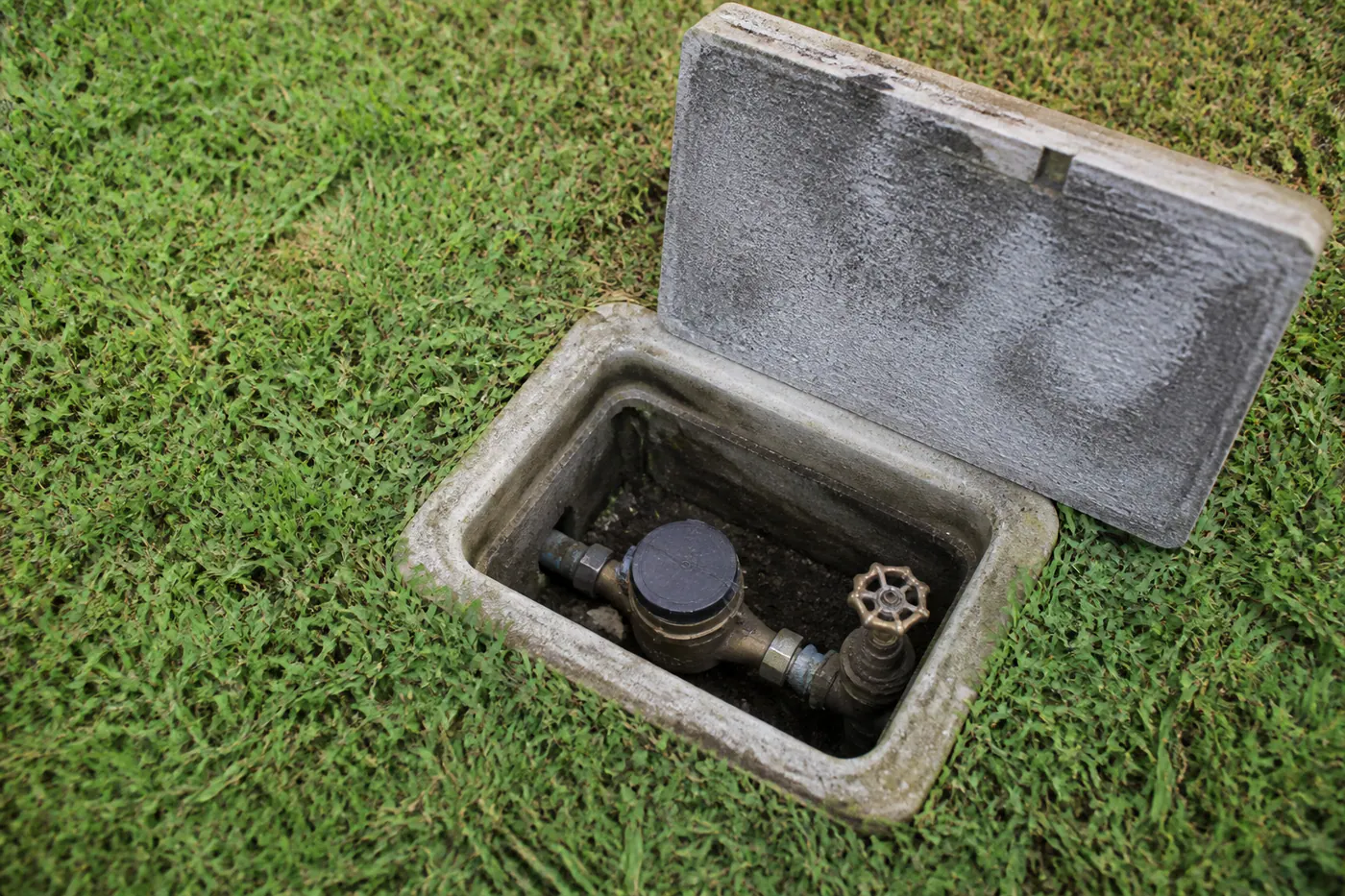
- •Locate and test the house main shutoff without operating a corroded valve by force.
- •Store drinking water in clean food-grade containers according to emergency guidance.
- •Clear safe access to well controls, septic lids, lift-station panels, and water heaters.
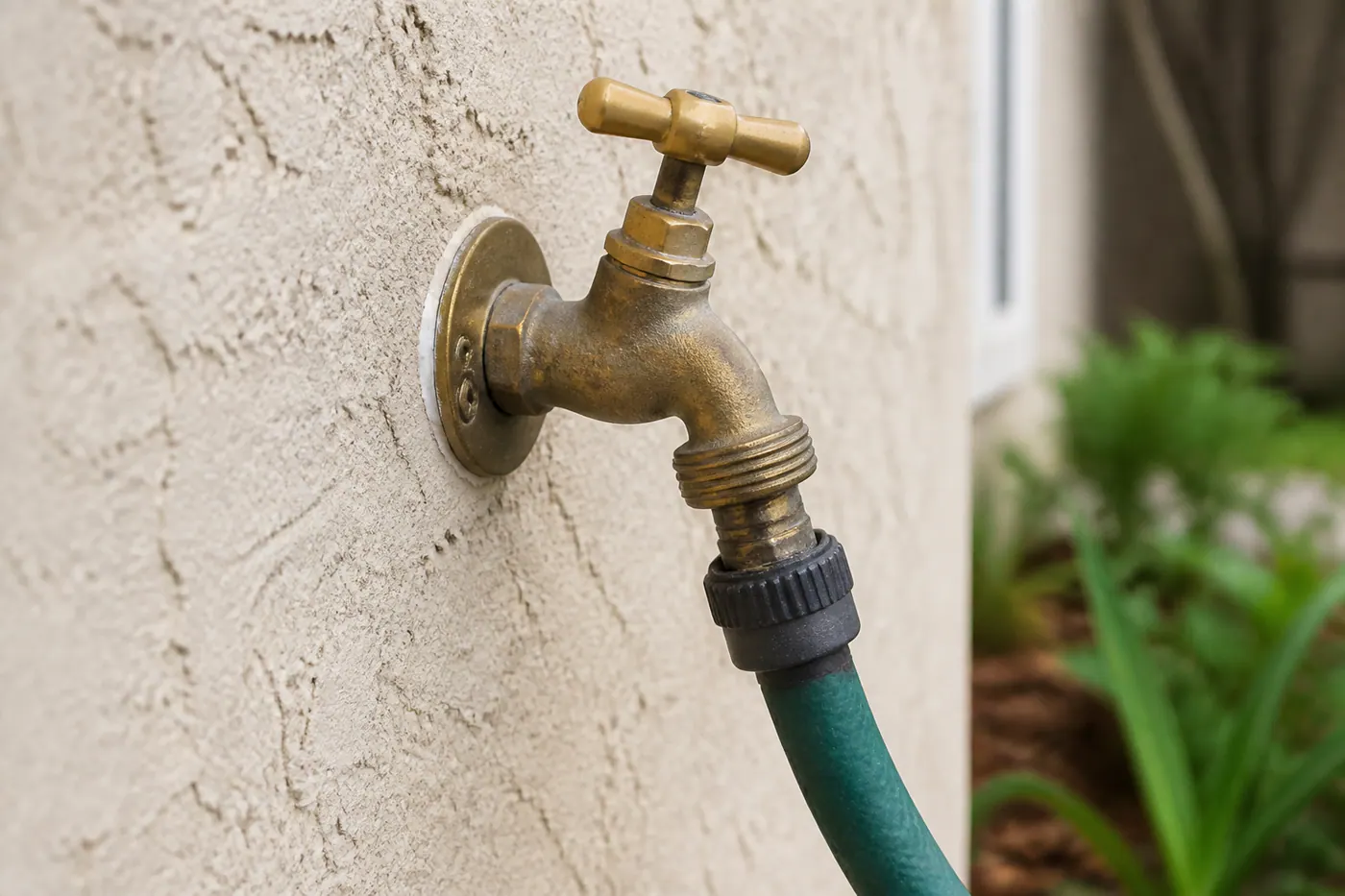
- •Secure loose hoses and outdoor items; protect exposed piping without blocking vents.
- •Charge backup batteries and test generator connections installed for pumps or alarms.
- •Turn off irrigation schedules and repair known toilet, faucet, and exterior leaks.
Do not seal combustion-air openings or appliance vents. If evacuation instructions call for utility shutdown, follow the equipment manufacturer's and utility's procedures. Gas service should not be turned back on casually after an outage or suspected damage. For a private well, know which breaker controls the pump and whether the pressure tank and treatment equipment need a restart sequence. Keep paper instructions available because internet and cell service may fail.
During power and sewer interruptions
Conserve every gallon when a well pump, grinder pump, or lift station lacks power. Avoid laundry, dishwashers, baths, and unnecessary flushing. Never connect a portable generator to house wiring without an approved transfer method, and operate generators outdoors at a safe distance from openings. If wastewater begins rising in a fixture or station alarm activates, stop drainage use. Floodwater around a septic field can prevent normal discharge even when the tank itself is intact.
After the all-clear
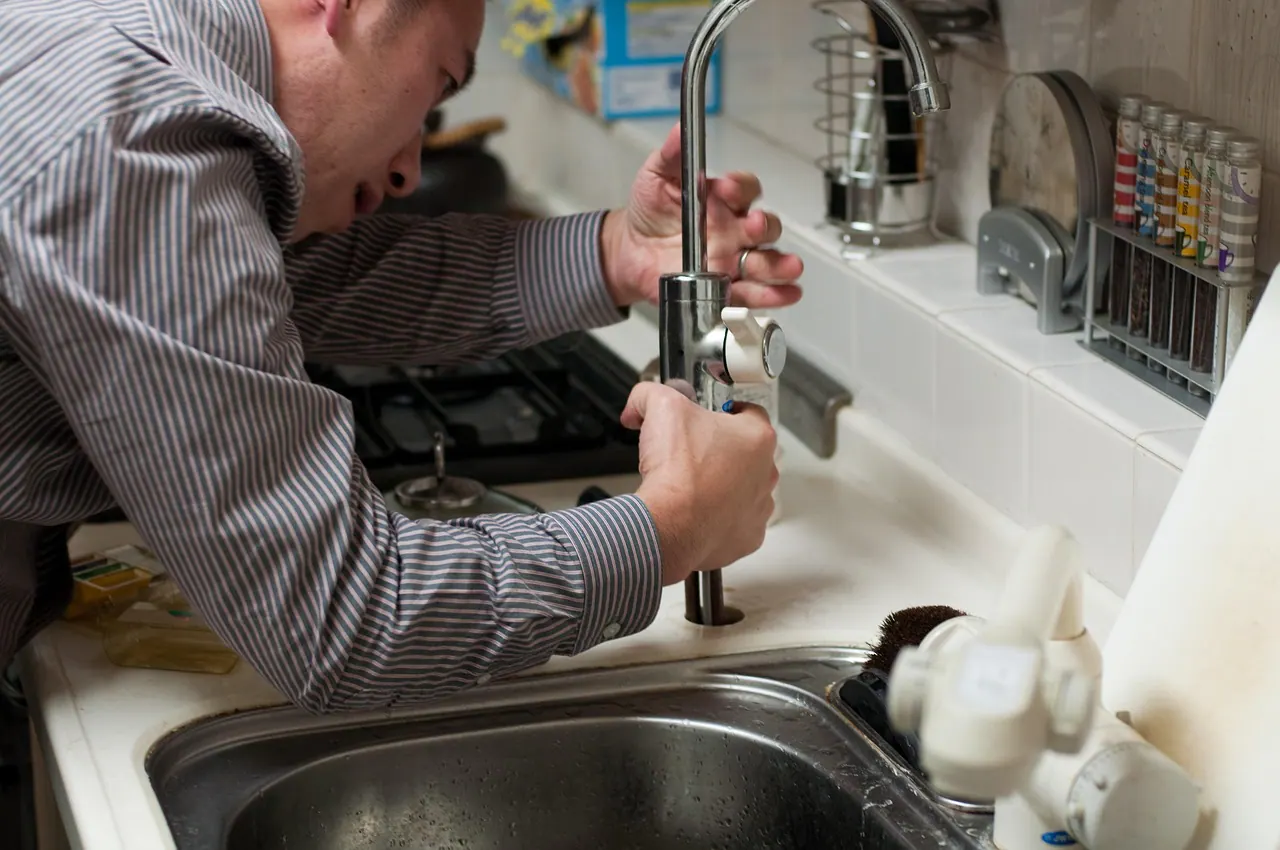
Inspect from a dry, safe location. Look for displaced equipment, broken exterior pipe, gas odor, wet electrical components, sewer backup, or a wellhead that was submerged. Do not enter floodwater to reach a valve or panel. Follow boil-water notices and private-well disinfection and testing guidance from health authorities. Restore one system at a time, monitor the meter or well pump for unexplained operation, and photograph damage before temporary repairs when safety allows.
Keep the record with the property
A one-page diagram should show the main valve, meter or well, septic or sewer route, electrical disconnects, gas shutoff, and emergency contacts. Add pre-storm photos, serial numbers, recent maintenance, and any changes after the event. This helps a plumber work faster and gives an insurer factual documentation, but coverage and claim requirements come from the policy and carrier—not from a contractor's assumptions.
Frequently asked questions
Should I shut off water before evacuating?
If authorities and your system guidance allow, shutting the house-side main can limit damage from an interior break. Well, fire-sprinkler, treatment, and pool systems may require separate steps.
Can toilets be flushed during a power outage?
Gravity toilets can flush if water and sewer service remain available, but private wells cannot refill without power and lift stations may have limited storage. Conserve water.
Is clear tap water safe after flooding?
Appearance does not establish safety. Follow utility and health-department notices, especially for private wells exposed to floodwater, and use approved bottled or treated water until cleared.
Related service: Emergency Plumber.
Need a plumber in Central Florida?
Prime Plumbing Inc is family-owned, state-licensed, and available 24/7 for emergencies across Lake County and nearby communities.