Plumbing Inspection Before Buying a Home in Florida

Buying a home is exciting, and the inspection report can feel like a formality. But plumbing problems are among the most expensive surprises new owners find, and a standard home inspection only covers what is visible. Underground sewer lines, under-slab supply pipes, wells, and septic systems often go unexamined. A few targeted checks before closing can save you from inheriting a five-figure repair.
1. Get a sewer camera inspection
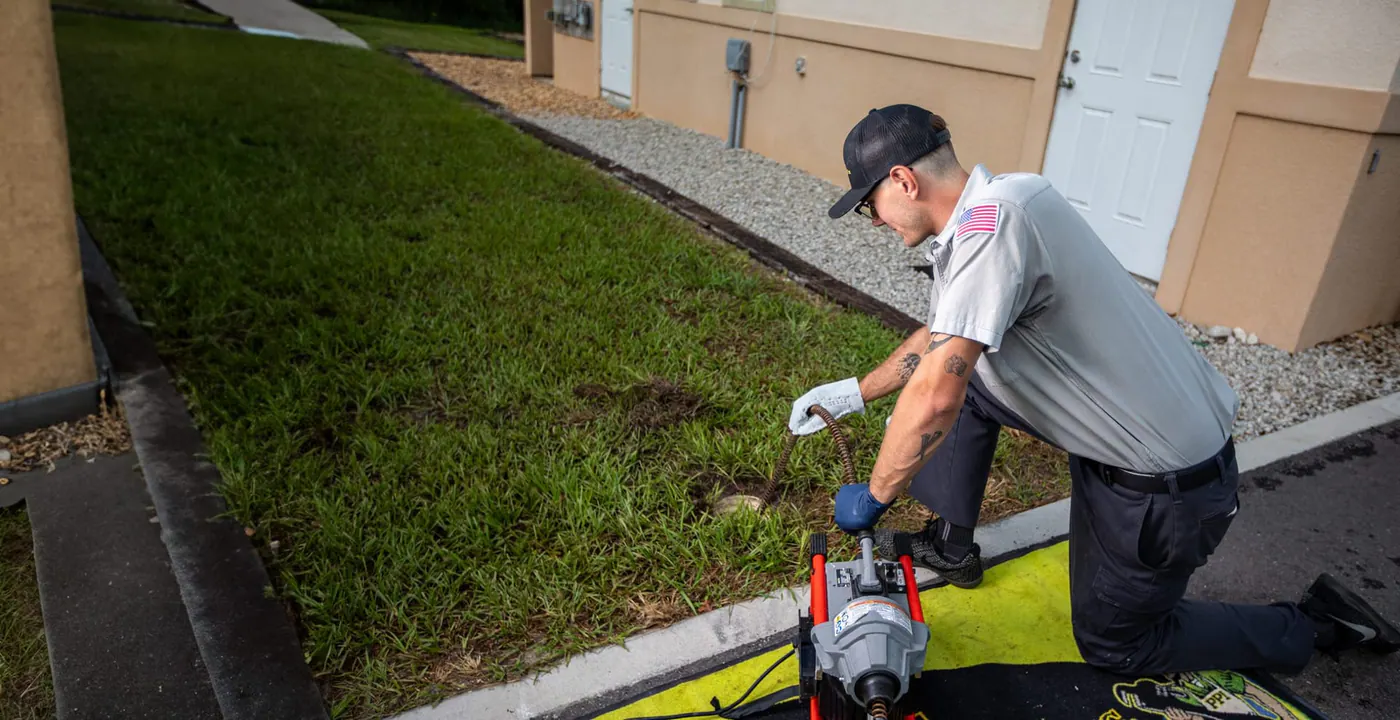
If you do only one extra test, make it this one. A plumber runs a camera through the main drain to the city connection or septic tank and records what it sees. Roots, cracks, sags, offset joints, and collapsed sections all show up clearly. For homes more than about 25 years old, or any home with large trees in the yard, it is money well spent.
2. Identify the pipe materials
- •Cast iron drains: common in Florida homes built through the 1970s. They corrode from the inside, and the damage can be severe before any symptoms appear.
- •Polybutylene supply lines: gray plastic pipe installed roughly from the late 1970s through the mid 1990s. It is known for sudden failures, and many insurers will not cover homes that still have it.
- •Galvanized steel: rusts internally, reducing water pressure and eventually leaking.
- •Copper: generally durable, but aggressive water can cause pinhole leaks.
- •CPVC and PEX: the most common modern materials. CPVC can become brittle in hot attics.
3. Check the water heater's age
The manufacture date is usually encoded in the serial number on the label. A tank older than 10 to 12 years is near the end of its life. Florida insurers often ask about water heater age, and some will not write a policy if it is too old. Look for rust at the base, corrosion on fittings, and whether there is a drain pan and a working relief valve line.
4. Understand the 4-point inspection
Many Florida insurers require a 4-point inspection for older homes. It covers roof, electrical, HVAC, and plumbing. The plumbing section notes pipe types, water heater age, and visible leaks. If the home has polybutylene or old galvanized pipe, it may affect whether you can get insurance at all, so it is better to know before you are under contract.
5. Evaluate well and septic separately
Rural properties around Umatilla, Sorrento, Groveland, and much of Marion County often have private wells and septic systems. A general inspector usually will not test water quality or open the septic tank. Ask for a water test that covers bacteria, nitrate, and basic chemistry, plus a well flow and pressure check. For septic, get the tank pumped and inspected so the tank condition, baffles, and drain field can be evaluated, and ask the seller for maintenance records.
6. Look for signs of past leaks
- •Water stains on ceilings, especially under bathrooms
- •Fresh paint on just one section of wall or ceiling
- •Warped flooring or loose tiles, which can signal a slab leak
- •Soft spots in the floor around toilets
- •Low water pressure at multiple fixtures
- •Slow drains throughout the house
Frequently asked questions
Does a regular home inspection include the sewer line?
Usually not. Most general inspections run water and check visible plumbing, but do not include a camera inspection of the underground sewer line. That is typically a separate service.
What is a 4-point inspection in Florida?
Insurers often require it for older homes. It covers the roof, electrical, HVAC, and plumbing, including pipe material, water heater age, and visible leaks.
Should I worry about cast iron drain pipes?
In older Florida homes, yes. Cast iron drains can corrode and crack from the inside after decades, and the damage is often invisible without a camera inspection.
Related service: Plumbing.
Need a plumber in Central Florida?
Prime Plumbing Inc is family-owned, state-licensed, and available 24/7 for emergencies across Lake County and nearby communities.