How Often Should a Septic Tank Be Pumped?
A septic tank separates wastewater into floating scum, liquid effluent, and settled sludge. The liquid leaves for the drain field, but the other layers remain. Pumping removes those retained solids before they occupy too much working volume or escape into the soil treatment area. For many full-time households, three to five years is a useful planning range—not a guarantee. A two-person home with a large tank may go longer, while six occupants, a small tank, or frequent garbage-disposal use can shorten the interval substantially.
Base the schedule on loading, not the calendar alone
A septic professional can measure sludge and scum through the access opening. Pumping is generally due when retained solids are approaching the outlet region or leaving too little clear liquid space. Tank capacity, bedrooms, actual occupancy, water use, and the amount of non-digestible material entering the system all matter. Vacation properties near Umatilla may accumulate slowly, while a busy multigenerational home in Eustis can reach the same solids level much sooner even when both tanks were pumped on the same date.
- •Keep the pump date, gallons removed, tank condition, and technician's solids measurements.
- •Use sink strainers and put wipes, hygiene products, grease, and cat litter in the trash.
- •Spread laundry across the week so the tank is not hit with several large hydraulic loads.
- •Repair running toilets and leaking fixtures that continuously push water toward the field.
Do not wait for a backup
Slow fixtures throughout the house, sewage odors, gurgling, or wet ground near the tank deserve prompt attention, but they are not a maintenance timer. By the time wastewater surfaces, solids may already have reached the drain field or a pipe may be obstructed. Conversely, an overdue tank can appear normal. Pumping on measured need protects the field, which is usually the harder and more expensive part of the system to restore.
What a complete pumping visit should include
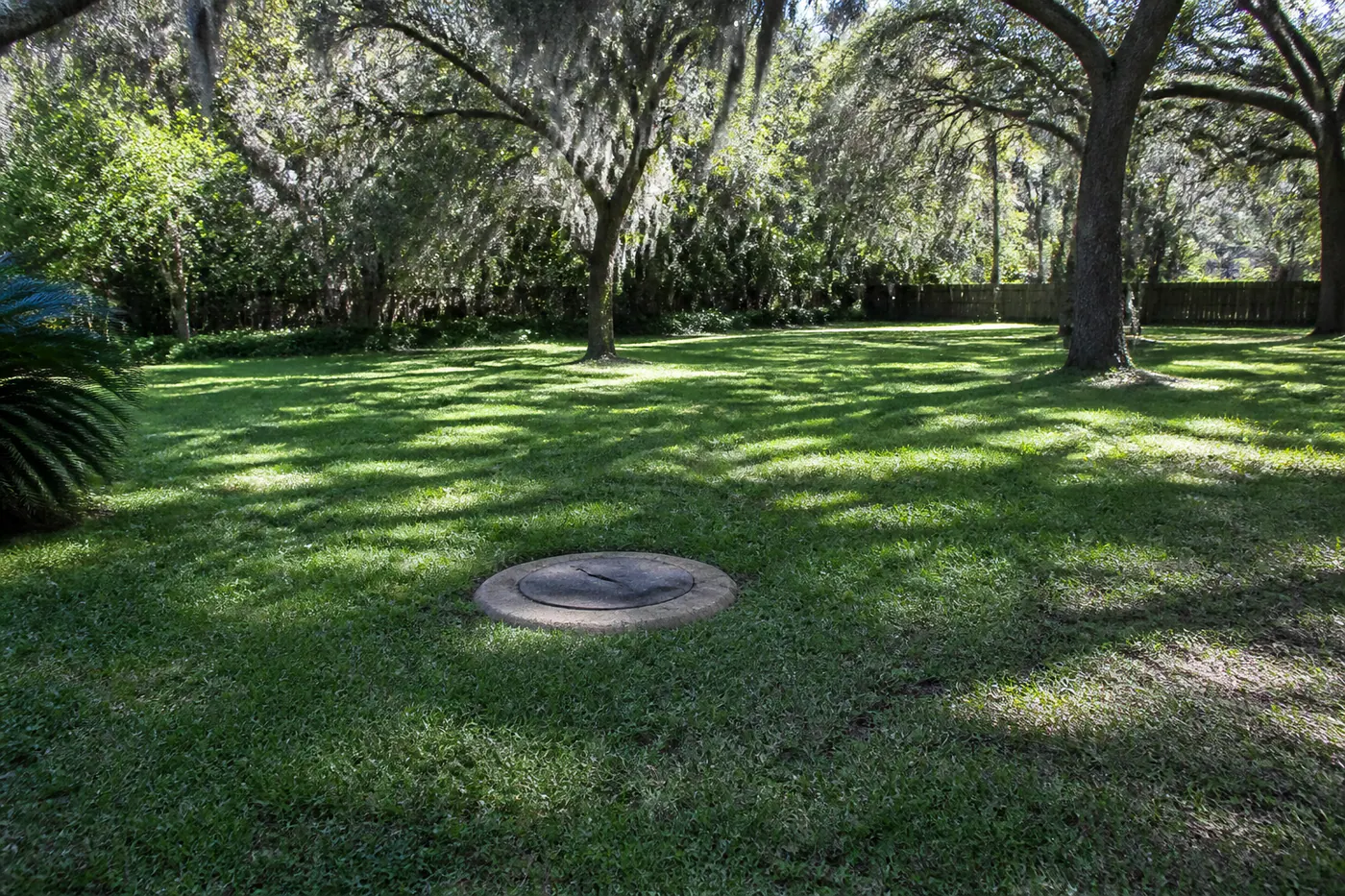
The provider should expose the service access rather than pumping only through a narrow inspection port, remove material from the full tank, and note damaged baffles, roots, corrosion, cracks, or groundwater entering the tank. Ask whether the outlet filter was cleaned if one is installed. Pumping does not diagnose every problem, but the condition observed during service creates a useful baseline for the next interval. Never enter a tank; toxic gases and oxygen deficiency make it a confined-space hazard.
Frequently asked questions
Is pumping every three years always necessary?
No. Three years is a reasonable planning interval for many occupied homes, but the right timing depends on tank size, household use, garbage-disposal use, and measured sludge and scum levels.
Can additives replace septic pumping?
No. A septic tank already contains active bacteria. Additives do not remove accumulated solids, and some products can keep particles suspended long enough to move into the drain field.
Should the tank be pumped before selling a home?
That depends on the tank's service history and the transaction requirements. An inspection and records review can establish condition; pumping may be recommended so the empty tank can be observed.
Related service: Septic.
Need a plumber in Central Florida?
Prime Plumbing Inc is family-owned, state-licensed, and available 24/7 for emergencies across Lake County and nearby communities.