Drain-Field Failure: Warning Signs and Next Steps
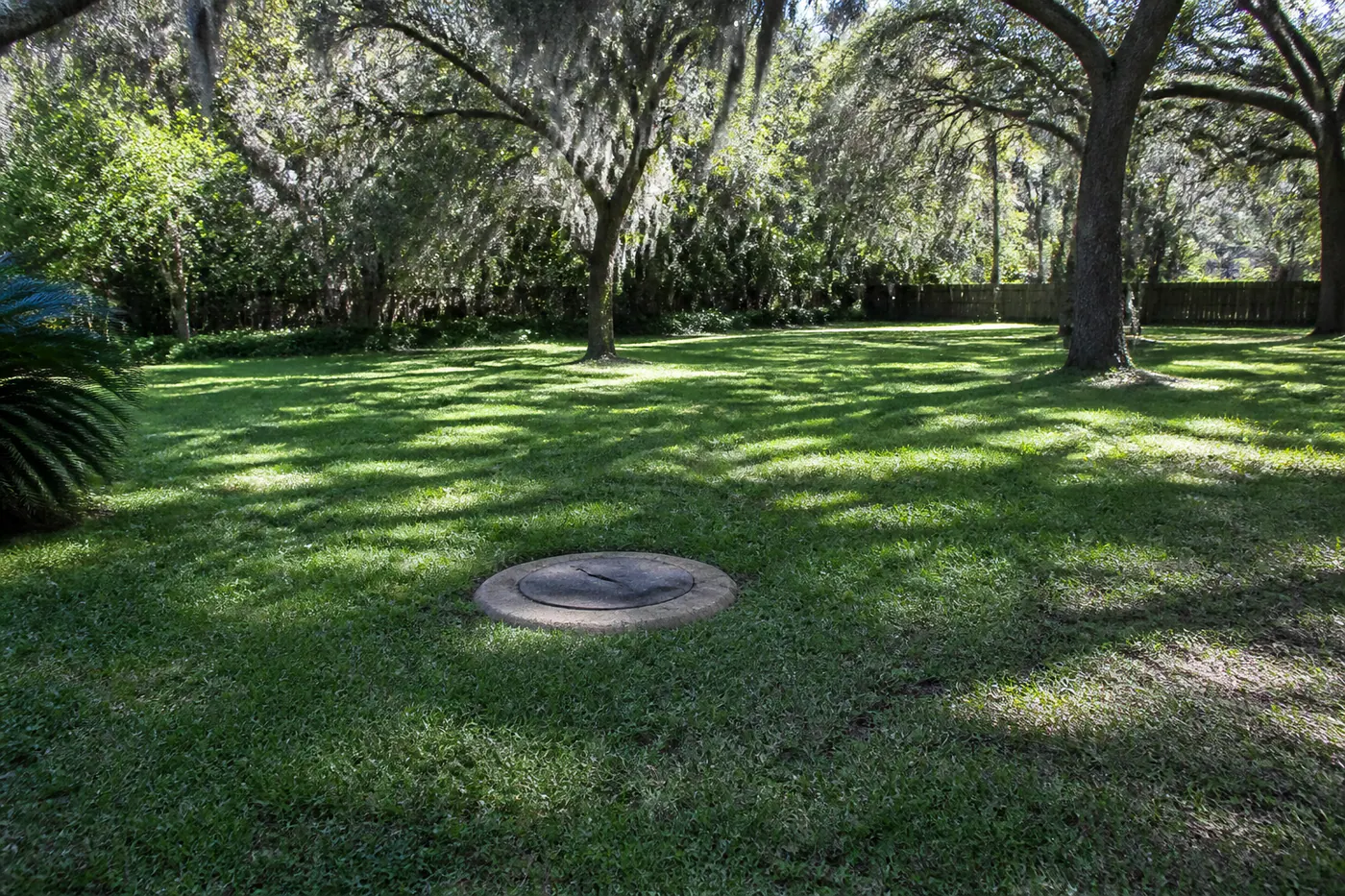
A drain field receives clarified liquid from the septic tank and distributes it through soil, where microbes and oxygen complete treatment. Failure can show up as sewage surfacing over the field, unusually lush strips of grass, odors, or fixtures that drain slowly throughout the house. Yet those same symptoms can come from a blocked building sewer, clogged outlet filter, broken distribution pipe, failed pump, or a tank that simply needs service. Replacing the field before checking those components risks solving the wrong problem.
Patterns that point toward the field
Field trouble becomes more likely when the tank outlet remains submerged, wastewater returns after pumping, and wetness follows the distribution trenches rather than one broken pipe. Repeated overload from leaking toilets, large daily laundry loads, or an undersized system can keep soil saturated. Solids carried out of an unmaintained tank can clog soil pores. In low areas around Tavares and Astatula, seasonal groundwater and storm saturation can also reduce the vertical soil available for treatment.
- •Reduce water use immediately and stop using a garbage disposal.
- •Keep children and pets away from surfaced wastewater.
- •Do not dig, aerate, or apply drain chemicals over the field.
- •Map recent rain, irrigation, fixture use, and where wet areas first appeared.
A sound diagnosis works from the house outward
A technician should confirm whether all fixtures are affected, inspect the building sewer, check tank levels and baffles, clean the outlet filter where present, and test pumps or controls on pressure-dosed systems. Distribution-box condition and flow balance matter too. Soil evaluation, system records, and local permitting requirements guide any repair or replacement. Dye alone cannot establish field health, and aggressively flooding the system to 'test' it can worsen an already saturated site.
Recovery depends on the cause
A broken line, failed float, or uneven distribution may be repairable without replacing the absorption area. A hydraulically overloaded field can sometimes recover after leaks are fixed and water use is reduced. Soil clogged by long-term solids carryover is less forgiving. Alternative layouts or treatment components may be needed where setbacks, groundwater, or lot size constrain a conventional field. Obtain a written diagnosis and permit path before approving major excavation.
Frequently asked questions
Will pumping fix a failed drain field?
Pumping lowers the tank temporarily and can stop an immediate backup, but it does not restore soil that can no longer accept or treat effluent. It does create time for diagnosis.
Can heavy rain make a healthy septic system slow?
Yes. Saturated soil accepts water poorly, especially after prolonged Central Florida rain. Persistent symptoms after the soil dries warrant inspection.
Should vehicles stay off the drain field?
Yes. Vehicle weight can compact soil and crush shallow piping. Keep vehicles, structures, pools, and deep-rooted landscaping away from the field.
Related service: Septic.
Need a plumber in Central Florida?
Prime Plumbing Inc is family-owned, state-licensed, and available 24/7 for emergencies across Lake County and nearby communities.