Grease-Trap Maintenance That Protects the Kitchen
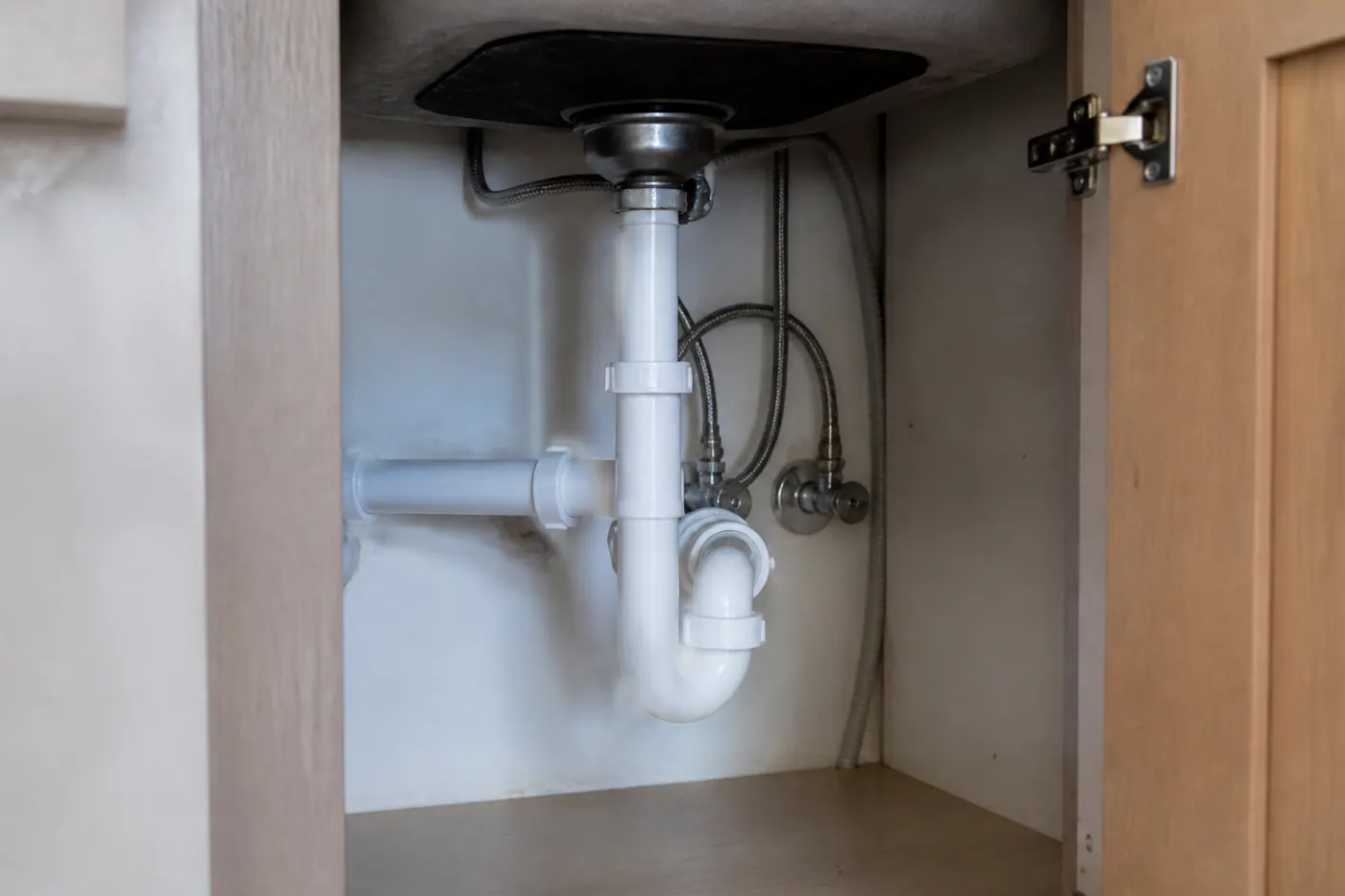
A grease interceptor slows wastewater so fats, oils, and grease can rise while heavier food solids settle. The middle water layer flows onward. As the top and bottom layers grow, retention time and effective capacity shrink until grease escapes downstream or the kitchen backs up. Small under-sink traps and large outdoor interceptors serve the same broad purpose but differ in capacity, access, cleaning method, and local requirements.
Set frequency from inspection and operating history
A fixed monthly schedule may be too long for one restaurant and wasteful for another. Measure retained grease and solids, note peak seasons, and adjust before the combined layers impair the device under applicable local standards. A breakfast kitchen, fryer-heavy menu, commissary, and small café generate very different loads. Businesses in Mount Dora, Leesburg, and Clermont should also verify sewer-authority rules, manifests, and approved hauler requirements for their service address.
- •Dry-wipe cookware and scrape plates into waste before washing.
- •Use correctly sized sink strainers and empty them into solid waste.
- •Never pour fryer oil into sinks, floor drains, or the interceptor.
- •Post simple procedures at dish and prep stations and train every shift.
- •Keep pump dates, quantities, condition notes, manifests, and repairs.
A complete service removes both layers
For a full pump-out, retained liquids and settled solids are removed so the device can be inspected. Baffles, tees, flow controls, covers, gaskets, and accessible walls should be checked for damage or corrosion. Merely skimming the grease cap leaves settled food and reduces capacity. Covers must be safely secured afterward, particularly in traffic areas. Confined-space and biological hazards make large interceptor entry specialized work, not a staff cleaning task.
Do not solve a trap problem by moving it downstream
Hot water, caustic chemicals, solvents, enzymes, or bacteria marketed as grease cures can emulsify or mobilize material long enough to pass the interceptor, where it cools in the building sewer or public main. Chemical use may also create worker hazards or violate discharge rules. If lines repeatedly clog, inspect kitchen practices, trap sizing, flow controls, venting, pipe grade, and the downstream line rather than increasing chemical treatment.
Plan for warning signs before service stops
Slow multi-basin drainage, water rising in a floor drain, persistent odors, or grease visible downstream indicate immediate attention. Staff should know which fixtures to stop and whom to call. Keep service access clear of storage and parked vehicles. A documented emergency contact and recent interceptor map reduce downtime when a kitchen is busy, while preventive jetting should be based on pipe condition and grease history rather than used to compensate for skipped pump-outs.
Frequently asked questions
How often should a grease interceptor be pumped?
Frequency depends on capacity, food volume, menu, cleaning practices, and local rules. Inspect accumulated fats, oils, grease, and solids, then schedule before effective volume is compromised.
Can enzymes replace pump-outs?
No additive removes the need to physically remove retained grease and solids. Some products may move grease downstream and conflict with sewer requirements.
Why does the kitchen smell after pumping?
A loose cover, damaged gasket, dry floor-drain trap, incomplete cleaning, venting issue, or spilled waste may be responsible. The source should be located rather than masked.
Related service: Drain Cleaning.
Need a plumber in Central Florida?
Prime Plumbing Inc is family-owned, state-licensed, and available 24/7 for emergencies across Lake County and nearby communities.